Renewable Energy for Businesses
What renewable energy can do for a UK business, which technologies suit which sites, four ways to buy renewable power, and every funding and tax route that applies in 2026, each dated and linked to its official source. Published by a company that installs nothing and sells no tariff.
Why UK businesses are switching to renewable energy
Grid electricity is priced by a market no business controls, and recent gas price spikes showed how fast heating costs can move. Using less energy, generating some of it on site and running heat and vehicles on electricity fixes part of your cost for the life of the equipment. Customers, lenders and public tenders also increasingly ask what a supplier is doing about its carbon. Four facts frame the 2026 business case.
- Tax. The Annual Investment Allowance deducts the full cost of qualifying plant and machinery from taxable profits in year one, up to £1 million a year (gov.uk).
- Business rates. In England, plant for on-site renewable generation and storage, and for EV charging points, stays out of the rateable value until 31 March 2035 (SI 2022/405).
- EV charging. The Workplace Charging Scheme pays £500 per socket, up to 75% of costs and 40 sockets per applicant, for installations completed by 31 March 2027 (gov.uk).
- Heat. The Boiler Upgrade Scheme gives £7,500 towards an air or ground source heat pump in England and Wales where you own the property, business premises included, and it replaces fossil-fuel heating (gov.uk).
Four figures that shape the business case in 2026
The seven technologies this guide covers
Each guide explains what the technology replaces, where it fits and what limits it, from a publisher with no product to sell.
 Usual first project
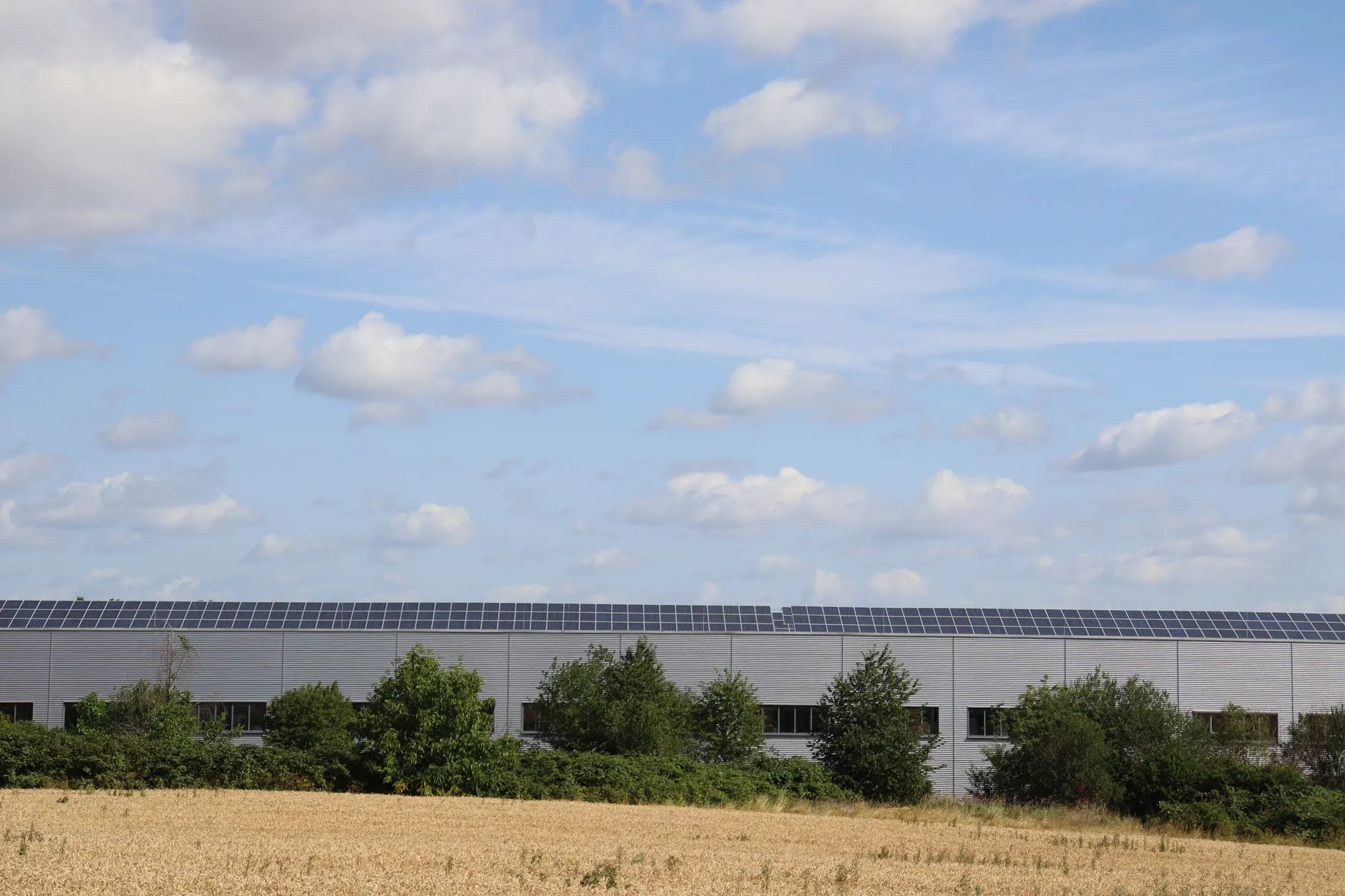
 Commercial Solar PV
Rooftop or car-park PV that replaces daytime grid imports. The usual first project where the roof is sound.
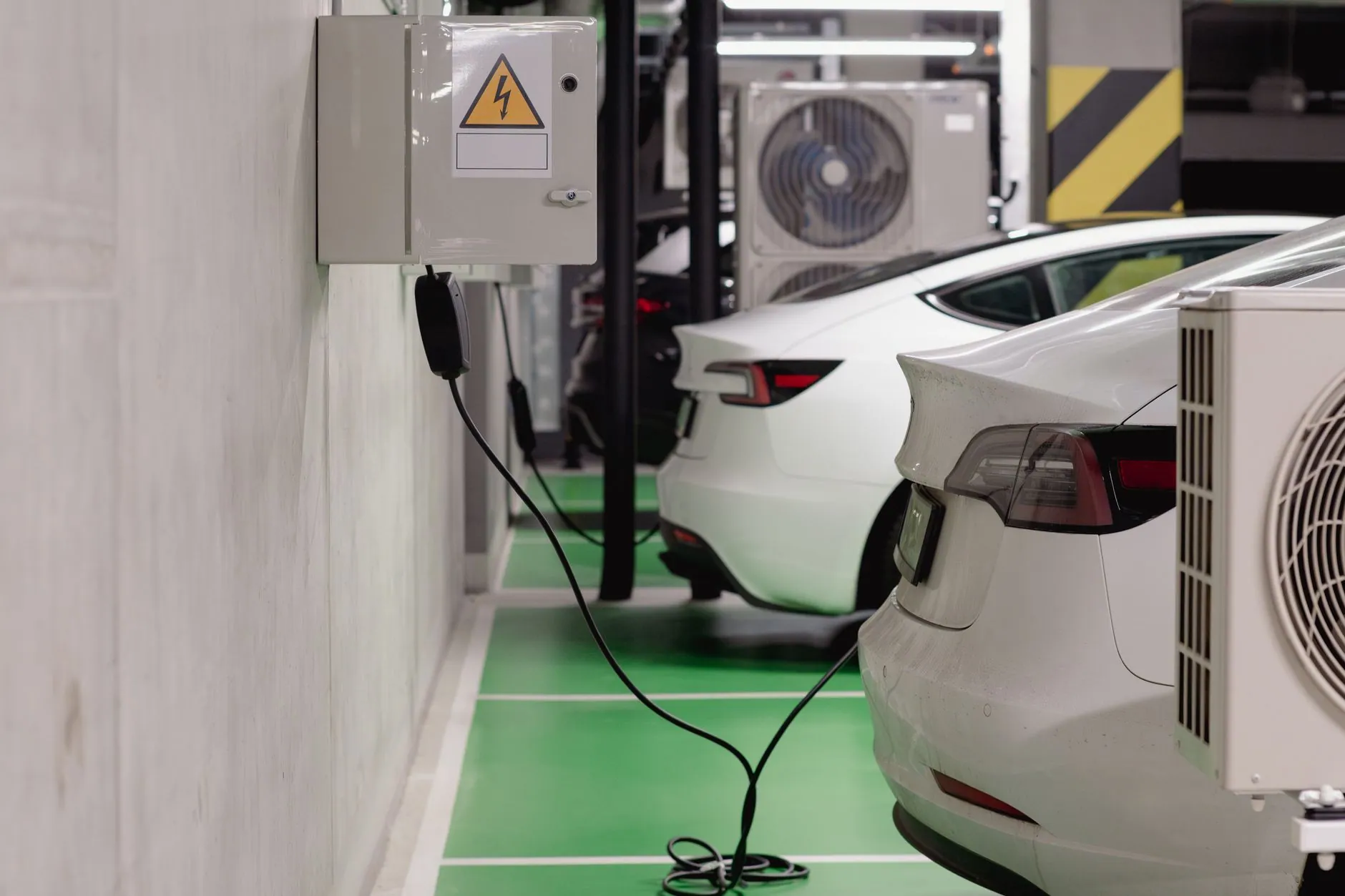
EV Charging
Workplace and fleet charging, WCS-eligible for installations completed by 31 March 2027, load-managed against your supply.
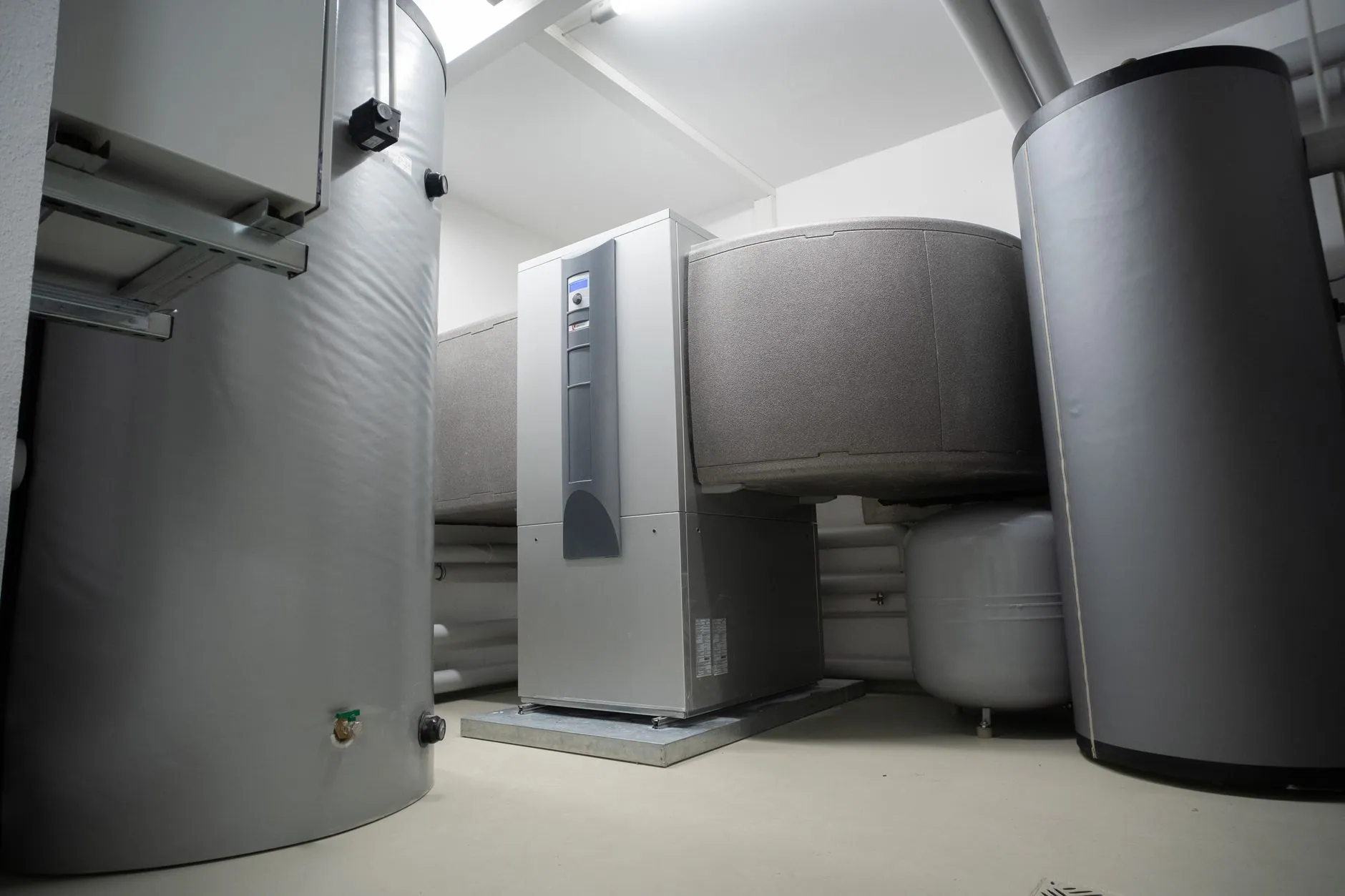
Commercial Heat Pumps
Air or ground source units that replace gas or oil boilers. Fabric and flow temperatures decide the case.
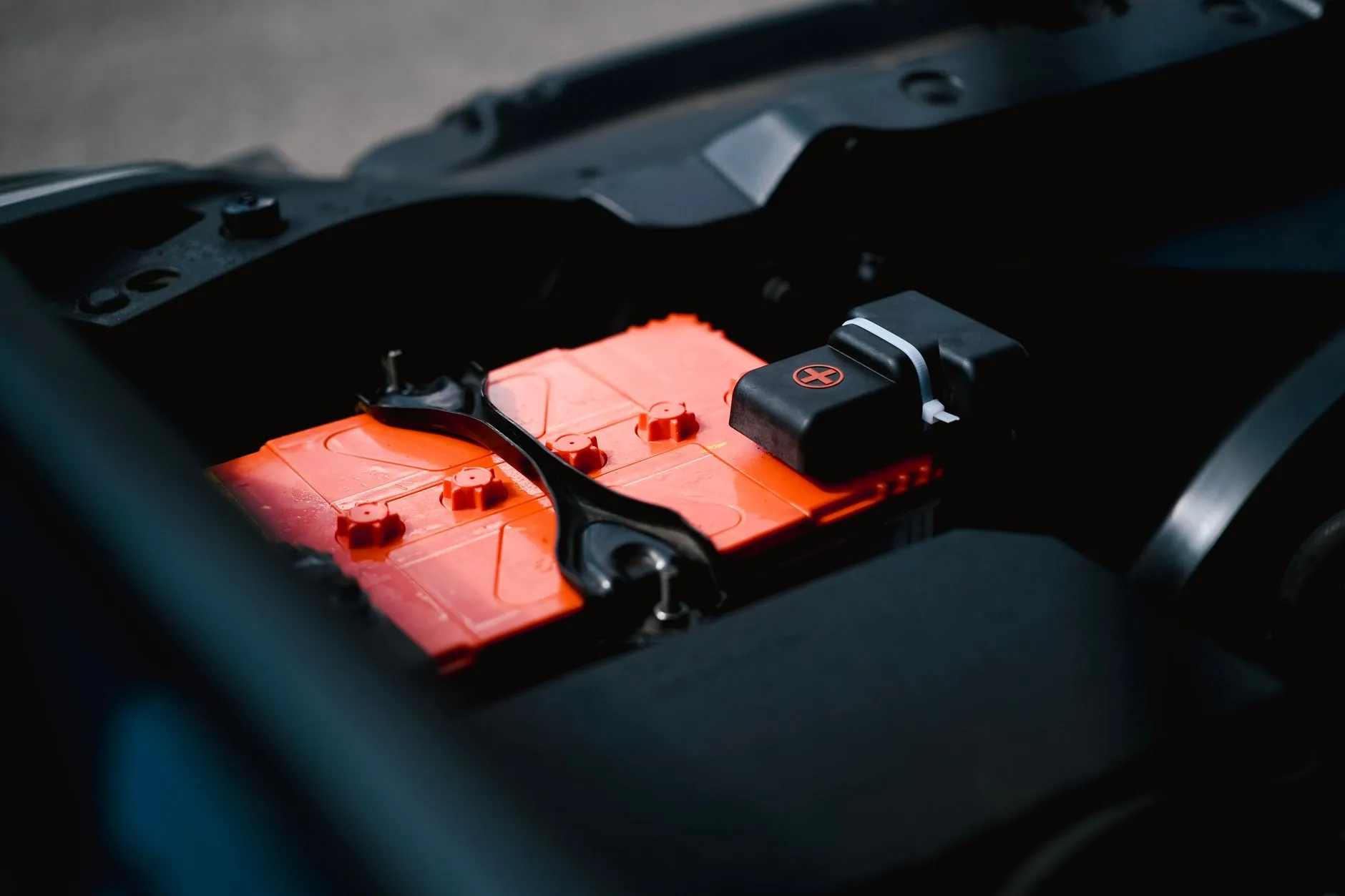
Battery Storage
Stores surplus solar and shifts imports away from peak prices. Sized to your evening and night demand.

Energy Management & Efficiency
Metering, controls and efficiency. The cheapest kWh is the one you stop using, so this comes first.

Power Purchase Agreements & Procurement
A funder owns the kit on your site and you buy its output at a contracted price. One of four ways to buy renewable power.
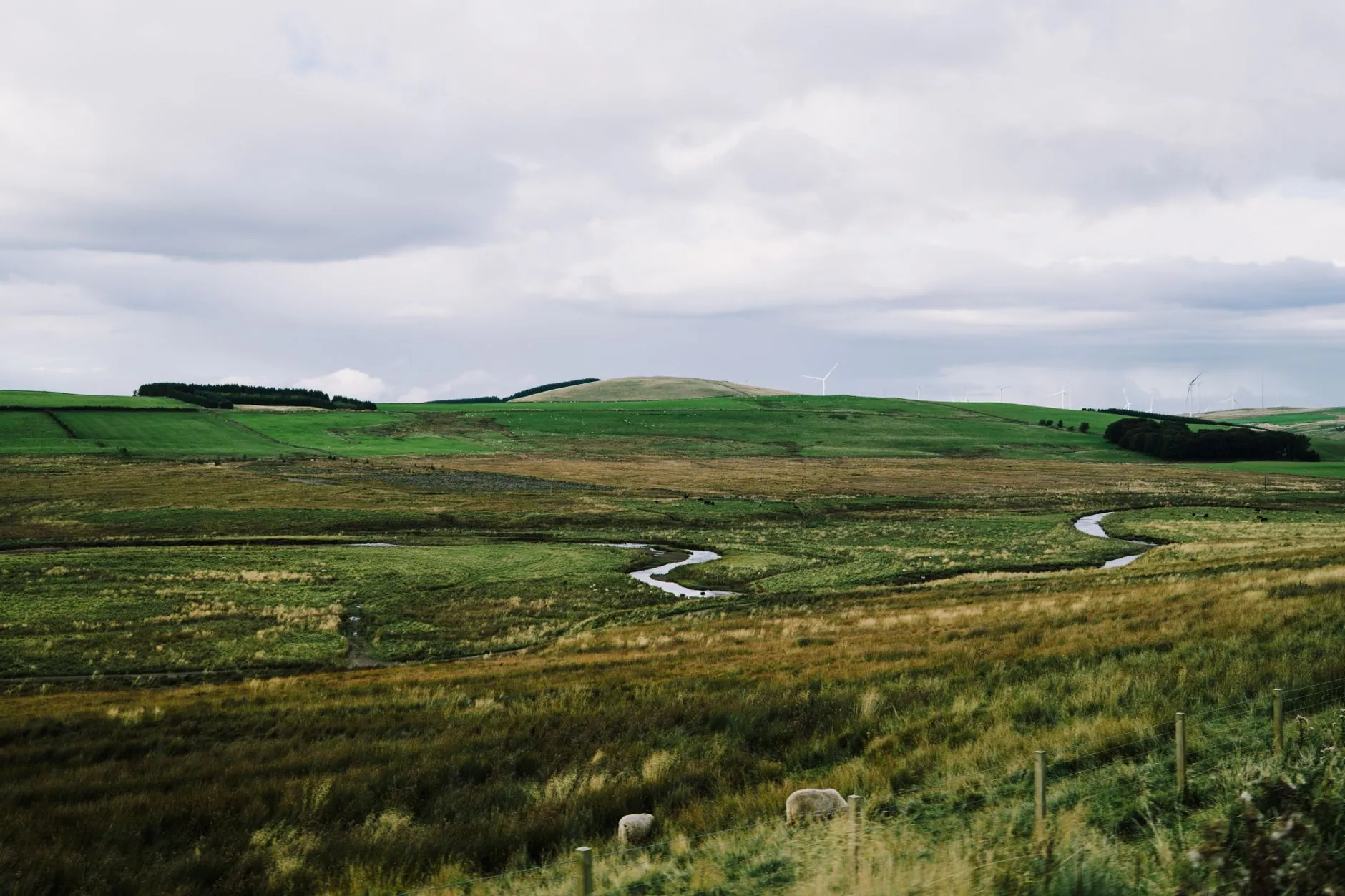
On-site Generation: Wind & CHP
Wind for rural sites with land and a wind resource; CHP for constant heat loads, and only renewable on biogas.
Types of renewable energy for a business, compared
The textbook seven types of renewable energy are solar, wind, hydro, geothermal, biomass, tidal and wave. Only a few fit a business premises. This table covers those, plus the storage, charging and efficiency measures that make them pay.
| Technology | What it replaces | Where it fits | Main constraint |
|---|---|---|---|
| Solar PV | Daytime grid electricity | A sound roof or car park and weekday daytime demand | Roof condition and shading; above 16 A per phase, a G99 application to your network operator |
| Battery storage | Peak-priced imports; export of surplus solar | Evening or night demand, or exposure to peak tariffs | Cost per kWh stored; it lengthens payback unless tariffs or export limits justify it |
| Heat pumps | Gas or oil boilers | Reasonable fabric, space for units and electrical capacity; off-gas sites first | Flow temperatures and fabric; the grant stops at 45 kWth |
| EV charging | Fleet diesel and petrol | Staff and fleet parking; the WCS covers up to 40 sockets per applicant | Supply capacity and load management |
| Energy management and efficiency | Wasted kWh | Every site, before anything else | Needs metering and someone to act on it |
| Power purchase agreement | Your capital: a funder owns the kit | Owner-occupiers and long leases wanting on-site generation without capex | Contract length, landlord consent and exit terms |
| Wind and CHP | Grid electricity (wind); boiler plus grid (CHP) | Rural sites with land and wind; constant heat loads for CHP | Planning for wind; CHP is only renewable on biogas or biomethane |
Four ways to get renewable power
You do not have to own anything to use renewable energy. The four routes differ in what they change on the bill, what they cost up front and what you can say in a carbon report.
| Efficiency first Use less before you buy anything | Generate on site You own the kit | On-site PPA A funder owns the kit | Renewable tariff Backed by REGO certificates | |
|---|---|---|---|---|
| What changes on your bill | Fewer units bought; the saving depends on what the metering finds. | Self-used generation replaces imports; surplus can be sold under the Smart Export Guarantee (systems up to 5 MW). | You buy the output at a contracted price for the term and the rest from the grid. | Still a grid bill; the supplier backs your usage with REGO certificates, one per MWh. |
| Capital needed | Low to medium. | The full cost, with the Annual Investment Allowance or first-year allowances against it. | None up front; the funder owns the plant. | None; some tariffs carry a premium. |
| What you can say in a carbon report | Less gas and electricity used, so Scope 1 and 2 both fall. | Less purchased electricity at the site. | The same site effect as owning; check who keeps the certificates. | A change to your supplier's fuel mix disclosure, which is what REGOs exist for; the electricity reaching the site is unchanged. |
| Best for | Every site, first. | Owner-occupiers with daytime demand and a sound roof or spare land. | Sites wanting on-site generation without capital that can commit for the term. | Tenants, short leases and sites with no usable roof. |
| Watch out for | Measure before and after, or the saving is a guess. | A roof survey, and the G99 application above 16 A per phase. | Term, landlord consent, exit and buy-out terms. | What backs '100% renewable': Ofgem-issued certificates count; EU certificates have not been recognised for GB disclosure since April 2023. |
A power purchase agreement is a funding route, not a technology: a third party pays for and owns generation on your roof or land, and you buy its output at an agreed price over a multi-year term. It suits owner-occupiers and long leaseholders who want on-site generation without capital; have the term, landlord consent and exit terms checked before signing.
When renewable energy does not pay
Most disappointing projects share one of a few causes, and all of them can be checked before any money is spent.
- You do not own the building, or the lease is short. Rooftop kit needs landlord consent and a term long enough to recover the cost; a renewable tariff is usually the honest answer for a tenant.
- The roof is shaded, weak or due for replacement. Panels outlast many roof coverings, so a survey comes before a quote.
- Low daytime demand. Solar without storage exports its surplus at whatever rate your supplier sets under the Smart Export Guarantee; Ofgem requires only that it is above zero. A site empty by day may not self-consume enough to justify the array.
- Grid capacity. Above 16 A per phase (3.68 kW single-phase, 11.04 kW three-phase) a G99 application to your distribution network operator comes before connection, and the operator may limit export. Almost every commercial system is in this bracket; smaller ones are simply notified within 28 days under G98.
- Poor fabric for a heat pump. Heat pumps run at lower flow temperatures than boilers; a leaky building with undersized emitters needs fabric and emitter work first.
- Payback figures nobody will source. If the savings rest on an electricity price or a self-consumption share the seller cannot show you, ask for the assumptions in writing.
How to pay for it
In 2026 the support is mostly tax treatment, plus two cash grants and an export payment. The dated, sourced table is on the grants and funding page; this is the summary.
- Annual Investment Allowance: 100% of qualifying plant and machinery deducted from taxable profits in year one, up to £1 million a year; worth up to £250 per £1,000 spent at the 25% main rate of corporation tax, £190 at the 19% small profits rate.
- Full expensing and the 50% first-year allowance (companies only): 100% of main-rate plant and 50% of special-rate plant in year one. gov.uk lists solar panels and integral features, including heating and lighting systems, as special-rate, so above the AIA cap they get 50% in year one and the 6% writing-down allowance after that.
- Business rates: in England, plant for on-site renewable generation and storage, and for EV charging points, is excluded from the rateable value until 31 March 2035.
- Workplace Charging Scheme: £500 per socket, up to 75% of costs and 40 sockets per applicant, for installations completed by 31 March 2027, claimed through an OZEV-authorised installer.
- Boiler Upgrade Scheme: £7,500 towards an air or ground source heat pump, or £9,000 until March 2027 where the property runs on oil or LPG with no mains gas (£5,000 biomass, £2,500 air-to-air), up to 45 kWth, in England and Wales, for property you own, including business premises, replacing fossil-fuel heating.
- Smart Export Guarantee: payment for metered export from systems up to 5 MW in Great Britain; each licensed supplier sets its own rate, which must be above zero.
- Closed schemes still quoted online: the Industrial Energy Transformation Fund closed in July 2025 with no successor planned; the Public Sector Decarbonisation Scheme has had no new application window since Phase 4 closed in November 2024, though funding to 2027/28 is confirmed.
Is there any help with business energy bills?
Not in the form of a discount. The Energy Bills Discount Scheme ran from 1 April 2023 to 31 March 2024 and is closed. When we checked gov.uk on 30 September 2026 we found no open, general bill-discount scheme for businesses; what remains is the tax and grant routes above, supplier hardship arrangements, and the free advice services in Scotland, Wales and Northern Ireland listed on the funding page.
Checks before you commit: planning, grid and roof
- Planning (England). Solar on the roof of a non-domestic building is usually permitted development under Class J of the General Permitted Development Order, provided it does not protrude more than 0.2 m beyond a pitched roof slope or rise more than 1 m above a flat roof, sits at least 1 m from the roof edge, and the building is not listed or a scheduled monument. Check the current conditions with your planning authority; Scotland, Wales and Northern Ireland have their own rules.
- Roof and structure. A structural check of spare load capacity and the covering's remaining life belongs before any design.
- Installer status where a scheme requires it. The Boiler Upgrade Scheme requires an MCS-certified installer; the Workplace Charging Scheme grant is claimed by an OZEV-authorised installer. For the order of works, our step-by-step guide runs measure, cut waste, generate, store, electrify, fund.
Sources and last checked
Every figure above was checked against the source listed on 30 September 2026. Schemes change; the official page is the authority if the two disagree.
- Annual Investment Allowance and full expensing and the 50% first-year allowance, gov.uk
- Capital allowance rates and pools and Corporation Tax rates, gov.uk
- SI 2022/405: business rates and renewable or EV charging plant (England), legislation.gov.uk, made 29 March 2022
- Workplace Charging Scheme: installer guidance, gov.uk, updated 1 April 2026
- Boiler Upgrade Scheme: what you can get and eligibility, gov.uk
- Smart Export Guarantee and Renewable Energy Guarantees of Origin, Ofgem
- Public Sector Decarbonisation Scheme (13 March 2025) and Industrial Energy Transformation Fund (25 June 2026), gov.uk
- Energy Bills Discount Scheme, gov.uk, withdrawn 10 April 2024
- General Permitted Development Order 2015, Schedule 2 Part 14 (Class J), legislation.gov.uk
- G98 and G99 connection procedures, National Grid Electricity Distribution
GUIDES
Plan your renewable energy strategy
Independent, jargon-free guides to the decisions that decide your return, from choosing the right technology to funding it and reporting the carbon.
Commercial Heat Pumps Explained: Costs, COP and When They Pay
Commercial heat pumps explained for UK businesses: real costs, COP, funding routes and an honest view of when they pay and when to wait.
Net Zero for Business: A Practical Roadmap to Cutting Scope 1 and 2
A practical net zero for business roadmap: sequence efficiency, solar, storage, heat and EV by payback to cut Scope 1 and 2 emissions and bills.
PPA vs Asset Finance vs Buying: How to Fund Business Renewables
How to fund business renewable energy: PPA, asset finance and cash purchase compared on capex, ownership, payback and carbon claims for UK firms.
Solar, Battery and EV Charging: How the Technologies Work Together
How solar battery and EV charging combine into one integrated system for UK businesses to cut bills, manage demand and avoid a costly grid upgrade.
Renewable Energy Grants and Tax Relief for UK Businesses in 2026
Renewable energy grants for business in 2026: WCS, SEG, PSDS (closed: no application window since Phase 4 ended in November 2024) and 100% capital allowances explained honestly, with figures, so you claim what applies.
How Much Does Renewable Energy Cost for a Business? 2026 Price Guide
The renewable energy cost for business explained: real 2026 prices for solar, battery, heat pumps and EV, plus grants and payback that cut the net figure.
The Best Renewable Energy for Your Business: Solar vs Heat Pumps vs Wind vs Battery
The best renewable energy for business, compared honestly: solar, heat pumps, wind and battery on cost, payback and carbon, with a clear order to buy.
How Can a Business Use Renewable Energy? The 5-Step Roadmap
How businesses use renewable energy in five practical steps: measure, generate, store, electrify and fund. Real UK costs, grants and payback.
Areas we cover
Renewable energy guides for businesses across the UK. Every area guide covers local grid capacity, council net-zero targets and typical commercial energy spend.
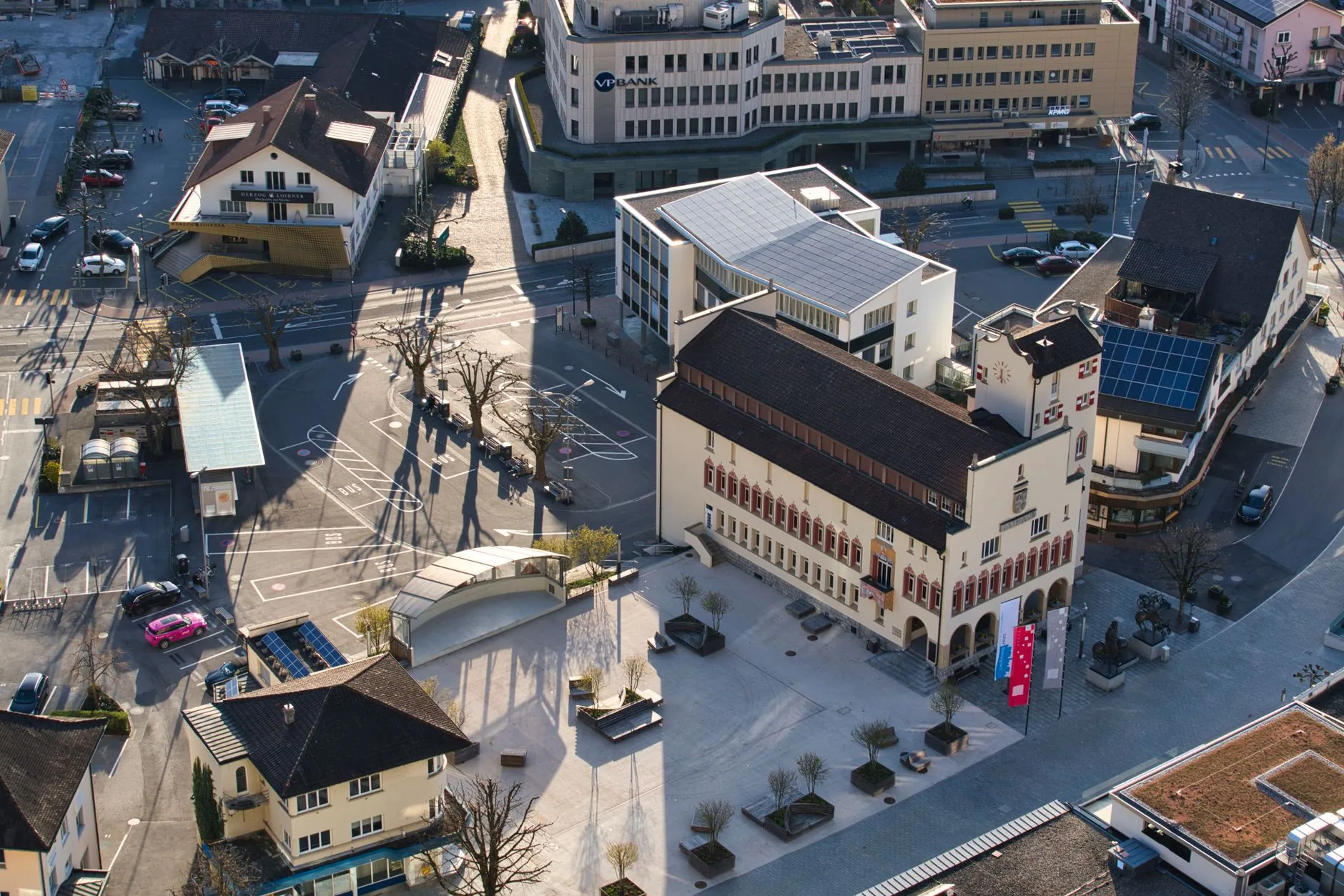
London
Greater London. 8,908,081 population. Greater London Authority 2030 net zero.
Birmingham
West Midlands. 1,141,816 population. Birmingham City Council 2030 net zero.

Leeds
West Yorkshire. 793,139 population. Leeds City Council 2030 net zero.

Sheffield
South Yorkshire. 584,853 population. Sheffield City Council 2030 net zero.
Manchester
Greater Manchester. 568,996 population. Manchester City Council 2038 net zero.
Bradford
West Yorkshire. 546,412 population. Bradford Council 2038 net zero.
Renewable energy for business, answered
The questions people ask most about renewable energy for business, answered; the sources for each figure are listed above.
How can businesses use renewable energy?
In four ways, usually in this order. Cut waste with metering, controls and efficiency; generate on site, usually rooftop solar, with storage where the load justifies it; electrify heat and transport with heat pumps and EV chargers; and buy what you cannot generate through a REGO-backed tariff or a power purchase agreement. Our step-by-step guide covers the sequence.
What are the 7 types of renewable energy?
Solar, wind, hydro, geothermal, biomass, tidal and wave. A business premises can realistically use solar PV on the roof or car park, heat drawn from the air or ground by a heat pump and, on rural sites, wind or biomass. Tidal, wave and hydro are grid-scale or site-specific. Batteries and EV chargers are not sources, but they make on-site renewables go further.
What is the best renewable energy for a business?
There is no single best; the site decides. Rooftop solar is the usual first project for a building with a sound roof and weekday daytime demand. A site heated by oil or LPG gets more from a heat pump, which also carries the largest grant. A tenant on a short lease is often best served by a renewable tariff. The types table compares them.
Can a business get a grant for renewable energy?
Two cash grants, plus tax relief worth more than either. The Workplace Charging Scheme pays £500 per EV socket for installations completed by 31 March 2027; the Boiler Upgrade Scheme gives £7,500 towards a heat pump up to 45 kWth in England and Wales, £9,000 where the property runs on oil or LPG with no mains gas. For solar, batteries and the rest, the support is the Annual Investment Allowance, first-year allowances, the business-rates exemption in England and the Smart Export Guarantee. The funding page dates and sources each route.
Is there any help for small businesses with energy bills?
Not through a discount scheme. The Energy Bills Discount Scheme ran from 1 April 2023 to 31 March 2024 and is closed; we found no open replacement on gov.uk on 30 September 2026. Small businesses in Scotland can get free advice and an SME loan through Business Energy Scotland; Business Wales and nibusinessinfo signpost support in Wales and Northern Ireland.
Can a business run on 100% renewable energy?
On paper, yes; from your own roof alone, rarely. Rooftop solar covers part of a typical site's demand and nothing at night, so a 100% claim usually rests on a REGO-backed tariff or a power purchase agreement for the balance. Ofgem issues one REGO per MWh, and the certificates change your supplier's fuel mix disclosure, not the electricity reaching your meter.
How does renewable energy help with carbon reporting?
On-site measures cut what you burn and buy; certificates change how you report. Heat pumps and EV charging remove gas and fleet fuel (Scope 1). On-site solar and efficiency cut purchased electricity (Scope 2). A REGO-backed tariff lowers a market-based Scope 2 figure but changes nothing at the site, and the GHG Protocol asks for a location-based figure alongside it, so the difference stays visible.
Where you start depends on the business
The seven technologies are the same everywhere. What changes is the constraint: a small firm has capex limits and one meter, a landlord does not use the power it pays to generate, and a net zero commitment has a reporting deadline attached. These guides start from the constraint rather than the kit.
Small businesses and SMEs
A 30 to 150 kW roof, one meter and limited capital. What still pays back at that scale.
Net zero commitments
Baseline, cut, generate, store, electrify. The engineering behind a credible target.
Offices, retail and light industrial
The building is the variable: roof, occupancy hours, plant room, EPC and MEES.
Commercial landlords
The split incentive, service charge recovery, green leases and MEES exposure.